
Plastic Pallet Prices in China: Current Trends and Market Analysis
By:Admin
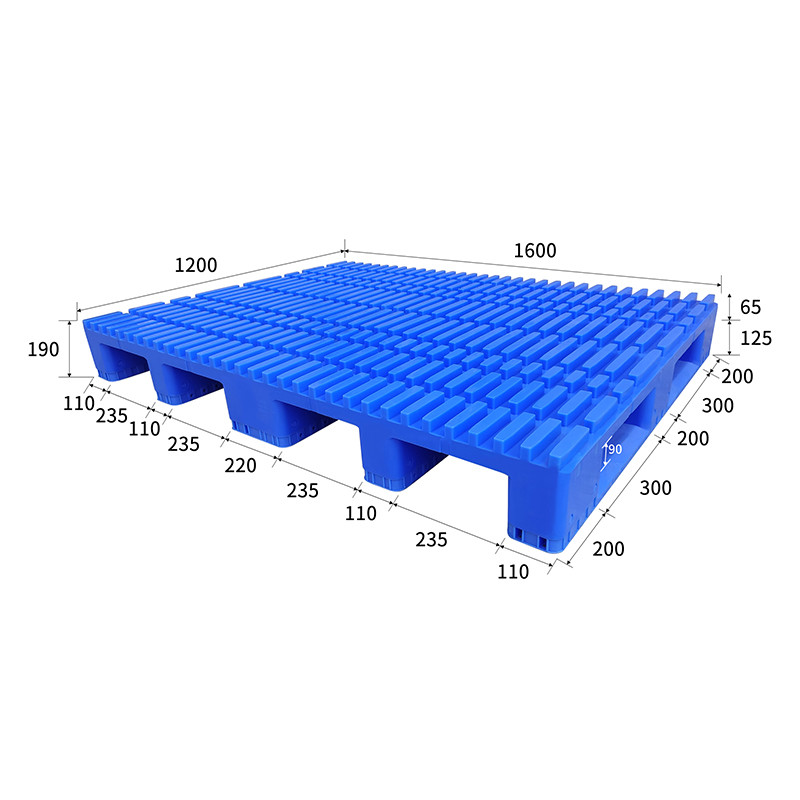
China’s plastic pallet industry is currently experiencing notable shifts in pricing trends, influenced by a combination of market demand, raw material costs, and evolving industrial needs. As China's manufacturing and logistics sectors continue to expand, the role of plastic pallets – integral components in the storage and transportation of goods – has become increasingly prominent. Recent market analyses indicate that plastic pallet prices in China are adjusting in response to these dynamics, reflecting broader economic and industrial changes.
### Market Overview
Plastic pallets have long been favored in various supply chains for their durability, lightweight nature, and resistance to moisture and chemicals when compared to traditional wooden pallets. They offer advantages in hygiene and reusability, which are critical in sectors such as food and pharmaceuticals, where contamination concerns are paramount.
China, as a global manufacturing hub and export powerhouse, commands a significant share of the plastic pallet market. The country’s infrastructure modernization, increasing exports, and rising domestic consumption are fueling demand for efficient, reliable packaging and transportation solutions, including plastic pallets.
### Price Trends and Influencing Factors
Recent data from market observers show a gradual increase in plastic pallet prices across various regions in China. Several key factors are driving this trend:
1. **Raw Material Costs:** The primary raw material for plastic pallets is polypropylene (PP) or high-density polyethylene (HDPE). Global fluctuations in crude oil prices have a direct impact on these polymers' cost. As oil prices climb, so do the prices of PP and HDPE, which in turn raises pallet manufacturing costs.
2. **Supply Chain Constraints:** The manufacturing of plastic pallets is dependent on a steady supply of raw materials and components. Occasional disruptions in raw material supply, whether due to environmental regulations or transportation bottlenecks, contribute to price volatility.
3. **Technological Advancements:** Enhanced pallet designs that offer greater load-bearing capacity, improved durability, or specialized features (such as anti-slip surfaces, nesting capabilities, or RFID integration) often come at a premium. Manufacturers’ investments in research and development can influence the end price.
4. **Environmental Regulations:** Increasing governmental emphasis on environmental sustainability and regulations concerning plastic usage and recycling can affect production costs. Companies investing in eco-friendly, recyclable materials or manufacturing processes may face higher upfront expenses, reflected in pallet prices.
5. **Demand Fluctuations:** The growth of sectors such as e-commerce, retail, agriculture, and pharmaceuticals has intensified demand for standardized pallets that meet international shipping criteria. This sustained demand supports stable or rising prices amidst supply challenges.
### Industry Response and Company Profiles
To address this evolving landscape, many Chinese plastic pallet manufacturers are adapting by enhancing their production capabilities, improving material efficiency, and expanding product lines to include customizable solutions. Companies are also focusing on building export channels to leverage global demand and diversify market risks.
For example, leading industry players emphasize quality control, certifications (such as ISO and FDA approvals), and after-sales service, thereby bolstering customer trust and fostering long-term partnerships. These efforts contribute to added value in their products, justifying premium pricing in competitive environments.
### Future Outlook
Looking forward, the plastic pallet market in China is poised for steady growth, supported by continuous industrial development and logistics modernization. However, pricing is expected to remain sensitive to fluctuations in raw material costs and regulatory changes, requiring manufacturers and buyers to maintain flexible strategies.
Innovation in pallet design and materials, alongside advancements in recycling technologies, may also influence future pricing by balancing cost with environmental compliance. Suppliers that effectively integrate sustainability with performance will likely capture greater market share.
### Conclusion
The current upward trend in plastic pallet prices in China reflects a complex interplay of factors including raw material cost pressures, regulatory environments, and persistent demand growth. As industries increasingly prioritize efficient and sustainable logistics solutions, plastic pallets stand as essential components. Manufacturers’ ability to innovate and adapt to market and regulatory requirements will shape pricing and availability in the coming years, ultimately benefiting end-users through enhanced product quality and service efficiency.
---
This analysis provides an overview of the current plastic pallet price dynamics in China, offering insights valuable to stakeholders across manufacturing, logistics, and supply chain sectors.